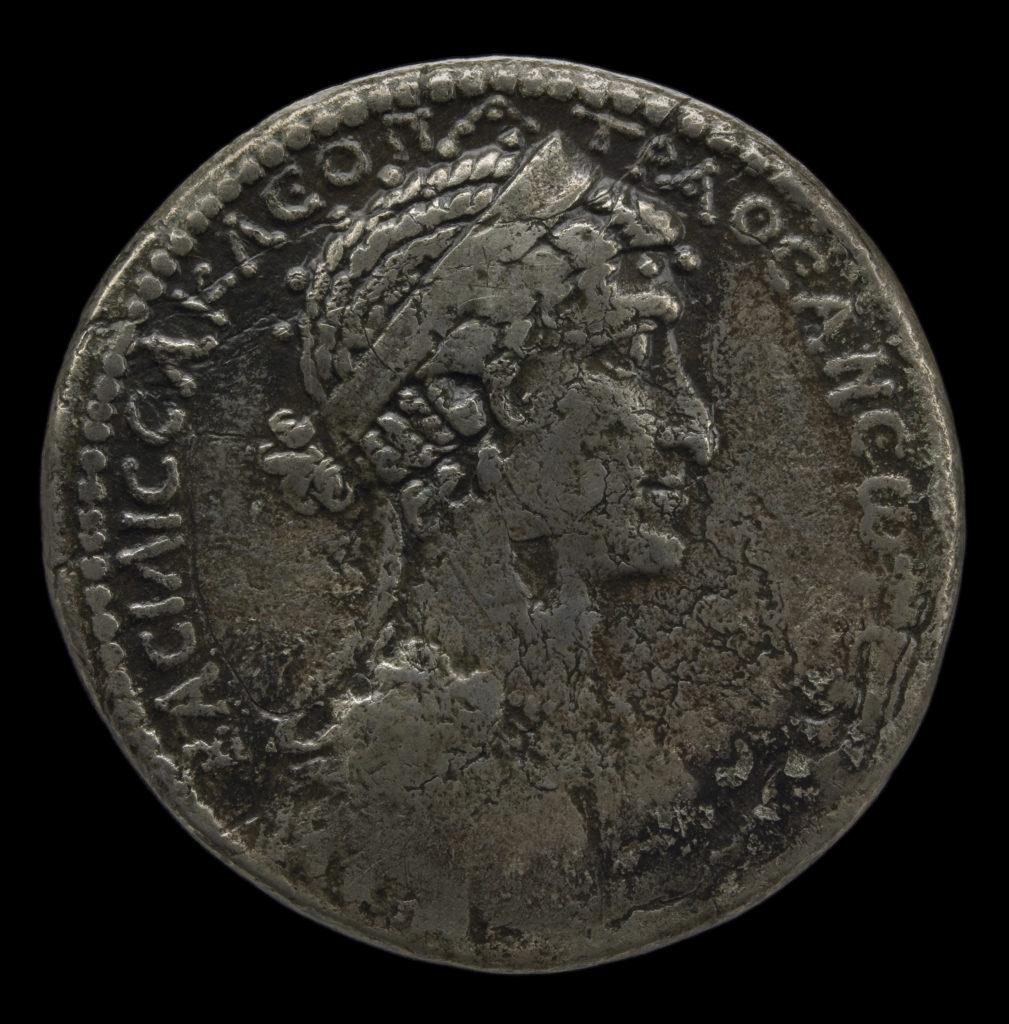
Before I start:
The Greeks from ancient times are known for their many mythological stories, and democratic principles, as well as many unconventional beliefs and practices at the time also now in some instances. I believe that these facts will help even further demonstrate just how interesting the Greeks were and possibly give insight on how we’ve taken their beliefs and ideas and put them to use in some manner in modern times.
#7 In Greek homes there were Gendered spaces

The Andron (male reserved space) and the Gunaikon or gunaikonitis (women reserved space) with women typically spending much of their time in the Gunaikon and avoiding any contact with outside males and wearing veils (Tegidion) covering their faces. These practices were indicative of the social standing of women at that time, with women being restricted in establishing their own lives. Yeah….they really didn’t try to hide their feelings about women having freedom(73) Based On Women’s Life in Greece and Rome.

#6 Greek male citizens only really liked…. themselves
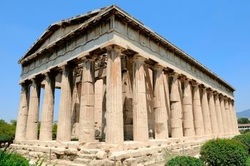
As demonstrated in Apollodorus’ speech Against Neara, demonstrates the overall though process male citizens in Ancient Greece had, with statements about keeping Neaera for reasons only involving their own pleasure and completely disregarding her, and her children because of their lack of citizenship, and even stating that wives were meant to be faithful and used for procreation of legitimate children. Yikes….it seems like there was an apparent lack in human empathy and very apparent instances of intersectionality.

#5 Many Narratives in Greek culture that established the idea of women being untrustworthy

Stories from Ancient Greece such as Perseus and Medusa, Jason and Medea, Pandora and many more. Share many similarities other than being hero myth stories, they also have leading female characters that in some way are portrayed to be evil. And by it still being still renown demonstrates the strength of the misogynistic beliefs by it being able to be kept alive to this day. As someone who read The Percy Jackson books as a kid, I thought I had a good idea of these myths but, reading the actual texts really demonstrates how much the stories were changed to keep it PG-13. The texts are worth reading though to get a better understanding.

#4 Illnesses of the body were related to your accomplishments in society
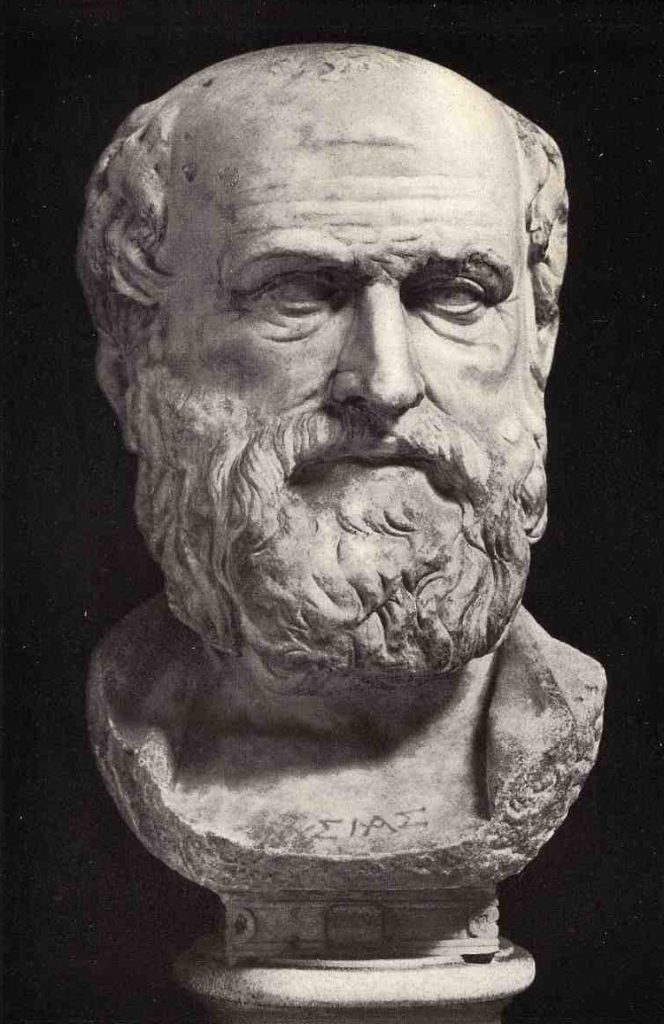
Any sort of physical impairment in Greek society, had a correlation with your social status in the eyes of the overall Greek society at the time. As demonstrated in Lysias 24, your social standing was demonstrated by physical characteristics and functions. If you couldn’t fight in a war made you deemed as useless. And by that society restricting the ways you can prove your usefulness to society it makes it very apparent the disparities the society has. A perfect example of the shallow and superficial nature of Greek perceptions at the time which is applicable as well to how women were viewed as well.

#3 Greek Society had a exclusively female festival
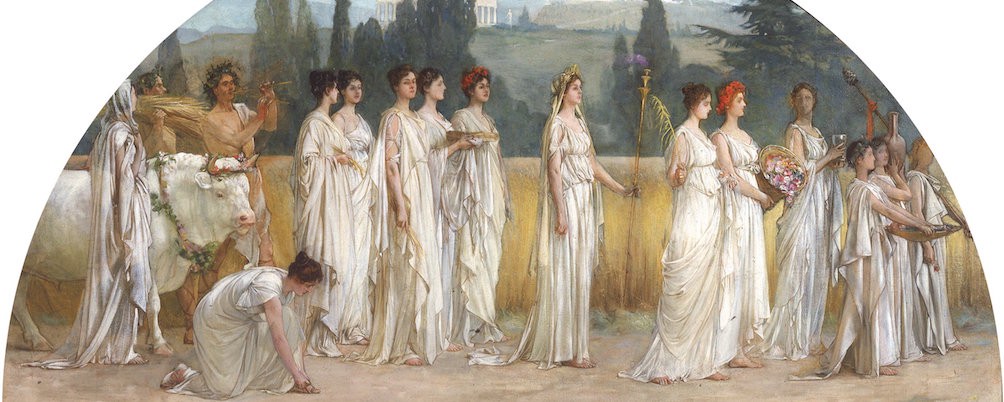
Surprisingly enough since the Greeks have many instances of not demonstrating a care for equality. They had the Thesmophoria, which was one of the most popular ancient Greek festivals, dedicated to Demeter and her daughter Persephone, females participated in the festival and men were forbidden to participate. It was a great opportunity for women to socialize with one another and express themselves much more freely than normal. It’s relieving to see that these women had at least something remotely positive in their lives.

#2 Hippocratic Corpus is even more outdated than you think
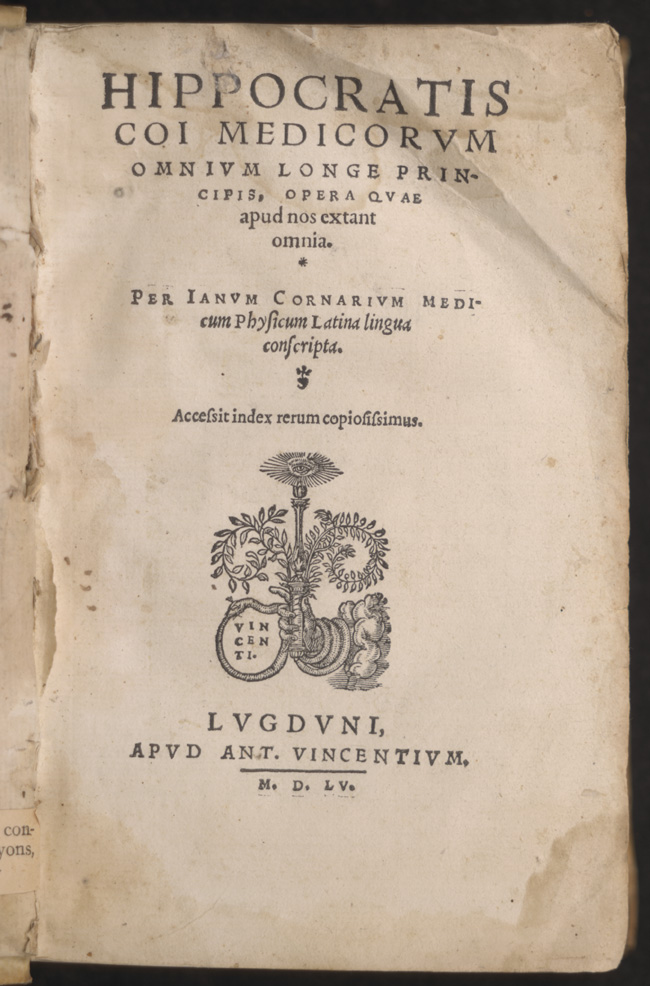
To be fair the Hippocratic Corpus has given us foundational ideas that have carried over to modern times that are important to modern medicine but, it also may have carried over some extremely harmful practices towards women. As demonstrated in Women’s Life in Greece and Rome. They have pseudo-scientific beliefs based on their own misogynistic beliefs (since the medical field was especially male dominated) about how female bodily functions work, as well as their anatomy that clearly was going to be detrimental to women when practiced(230-247). And it shares in it how its applied regarding modern times by how certain things are manufactured for a male consumer, at the detriment to women. Ex. Cars, roller coasters etc.

#1 Greeks had an Androgynous God
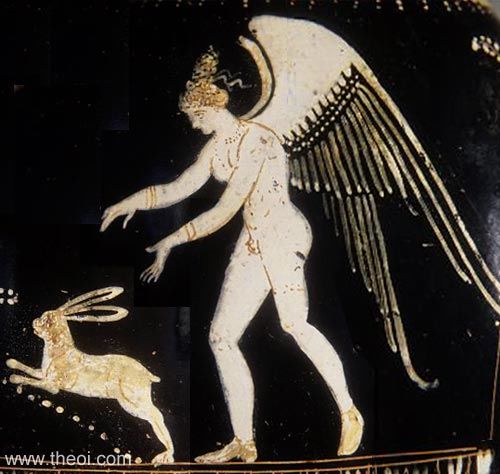
Commonly known are the Greek gods Zeus, Ares, Athena, Aphrodite etc. from popular media. However, I believe it to be important to shed light on Hermaphroditus being relatively unknown and is an androgynous figure that was made through the union of a Naiad nymphe and (originally) the son of Hermes and Aphrodite. It demonstrates the small beginnings of acceptance of LBTQ+ people. Good job on Ancient Greece for at least having some form of representation!

Closing Notes
If you’re still reading, I know it’s a lot of information, but I think it’s important to recognize and understand the past, especially Ancient Greece because large facets of society spanning from everything from architecture, medicine, law, and gender politics. Recognizing the many faults and successes from Ancient Greece can help us not have to go through many of the struggles they had to go through and hopefully lead to something beneficial to our modern society.

“You never really understand a person until you consider things from his point of view until you climb into his skin and walk around in it”
Harper Lee, To Kill a Mockingbird
Citations:
Lefkowitz, Mary R., and Maureen B. Fant. Womens Life in Greece and Rome: London: Duckworth, 2005.
Wilson, Emily. The Odyssey. New York, London: W.W. Norton
Euripides, et al. Euripides, Four Plays: Medea, Hippolytus, Heracles, Bacchae. Focus Pub./R Pullins Co., 2004.
Lefkowitz, Mary R. Womens Life in Greece and Rome: a Source Book in Translation. Johns Hopkins Univ Press, 2016.
Lysias, and W. R. M. Lamb. Lysias: with an English Tr. W. Heinemann, 1930.
Aristophanes, et al. Birds ; Lysistrata ; Women at the Thesmophoria. Harvard University Press, 2000.
Llewellyn-Jones, Lloyd. Aphrodites Tortoise: the Veiled Woman of Ancient Greece. Classical Press of Wales, 2010.
Aristofanes, et al. Three Plays by Aristophanes: Staging Women. Routledge, 2010.
Sarah, et al. “The Ancient Greece Pack -.” Teaching Packs, 11 Nov. 2019, https://www.teachingpacks.co.uk/the-ancient-greece-pack/.
Hésiode , et al. Hesiod “Theogony” and “Works and Days. Focus Publishing, 2008.
This is the first post on my new blog. I’m just getting this new blog going, so stay tuned for more. Subscribe below to get notified when I post new updates.
 Ancient Greek History